Using machine learning to identify heat tolerant wheat varieties
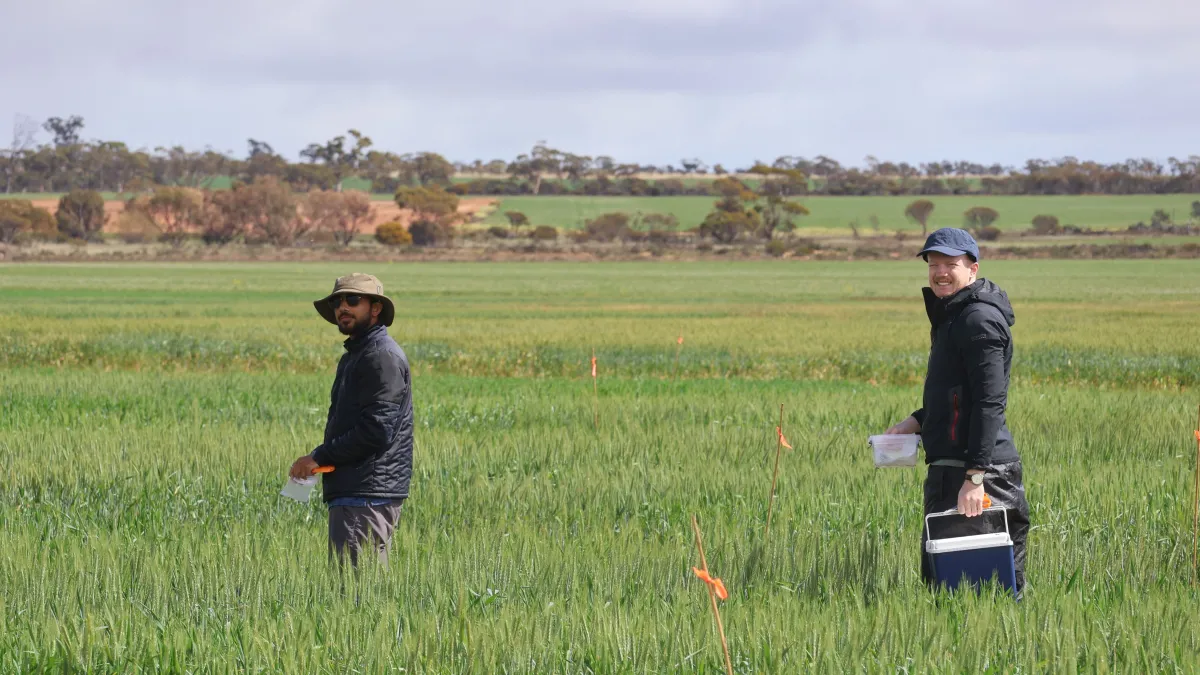
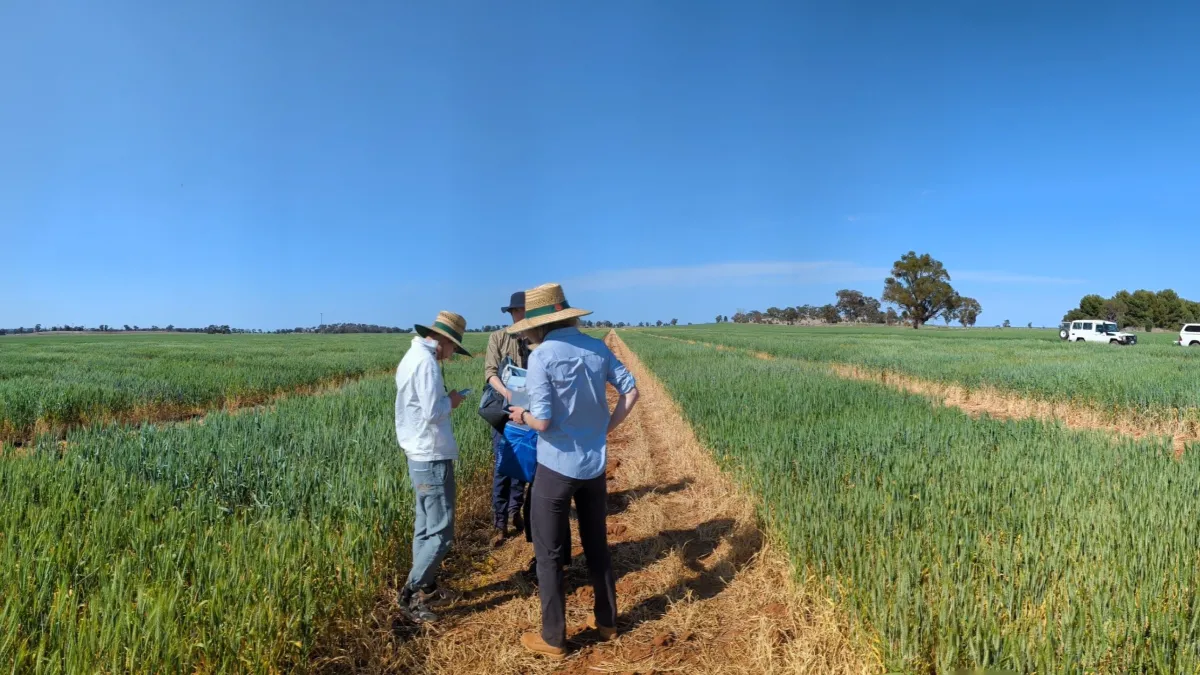
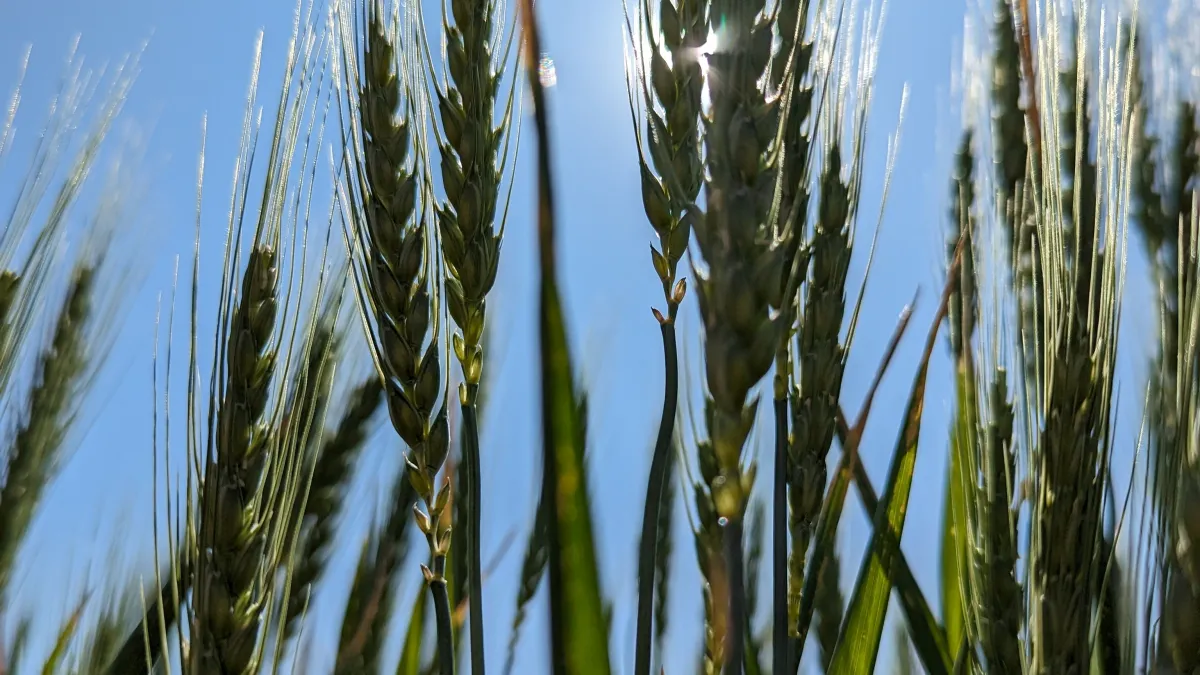
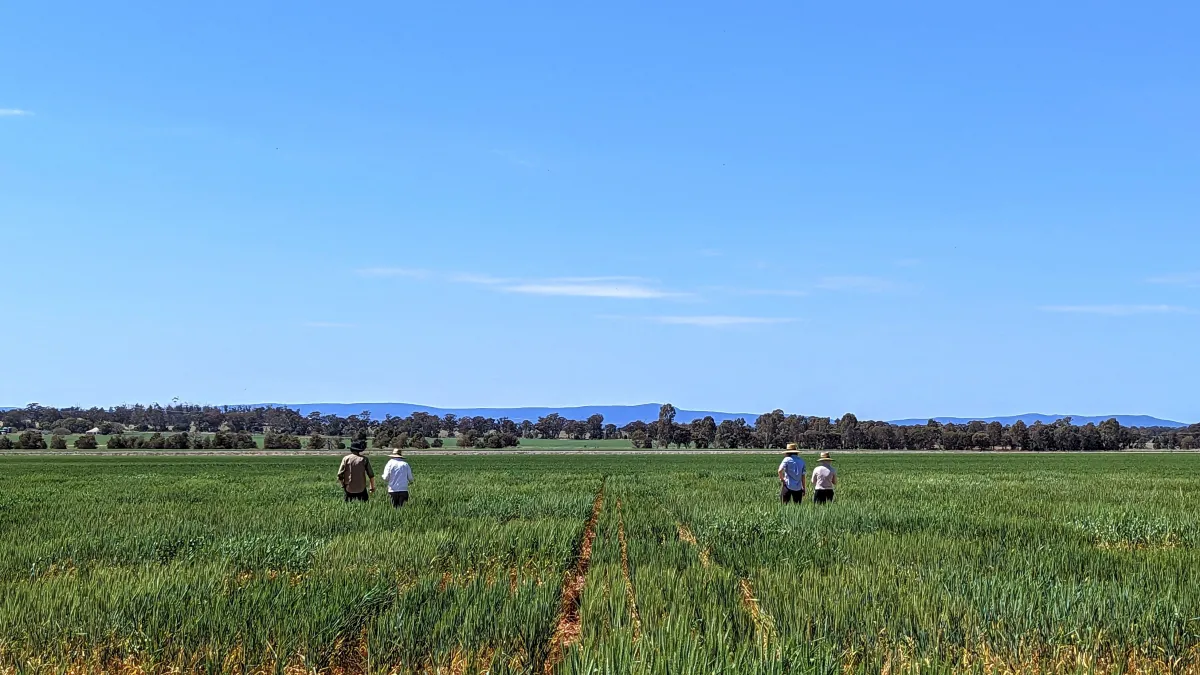
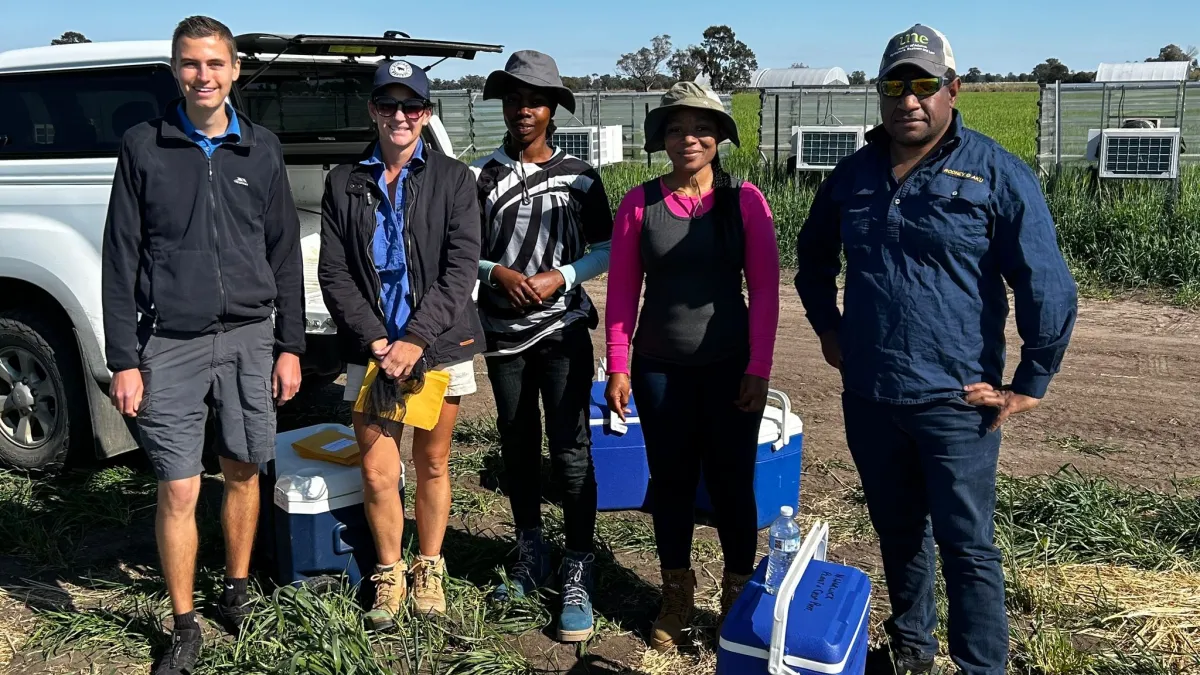
Heat stress is already reducing wheat production across Australia, and the risk is rising as summers grow longer and hotter. An ANU, UNE, USyd & UWA collaborative Heat Tolerance Project set out to identify which wheat varieties continue to produce high yields under heat and to understand why. After three seasons out in the fields of New South Wales (NSW) and Western Australia (WA), the project now has one of the largest physiology datasets of its kind in Australia.
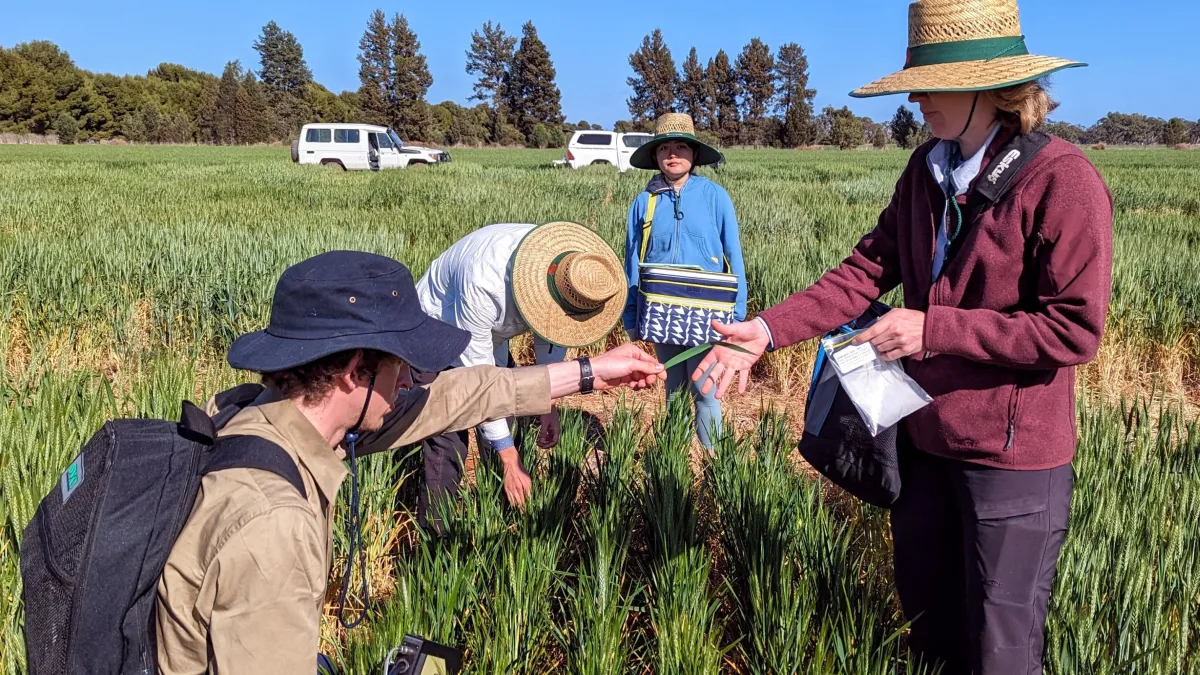
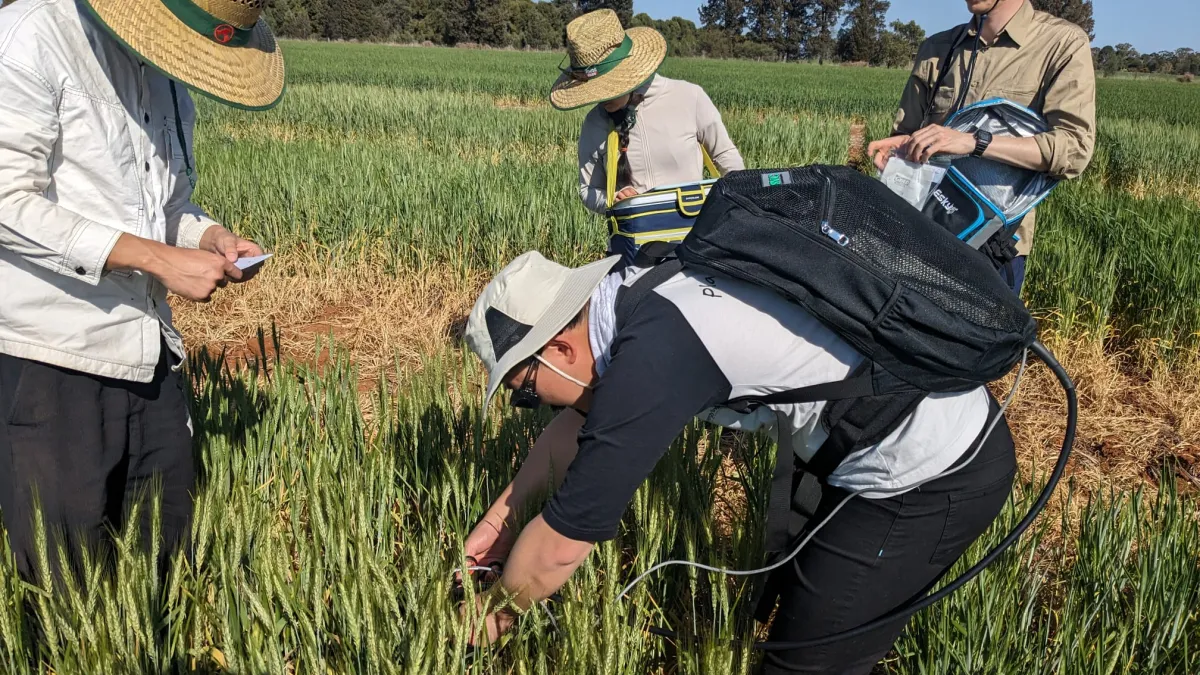
The project screened around 200 wheat varieties across four sites chosen to represent major wheat growing regions. The research focus went beyond yield to uncover the key physiological drivers influencing yield potential. Researchers measured both photosynthesis and respiration, two processes that govern how plants balance energy production for growth and grain formation and to sustain vital functions.
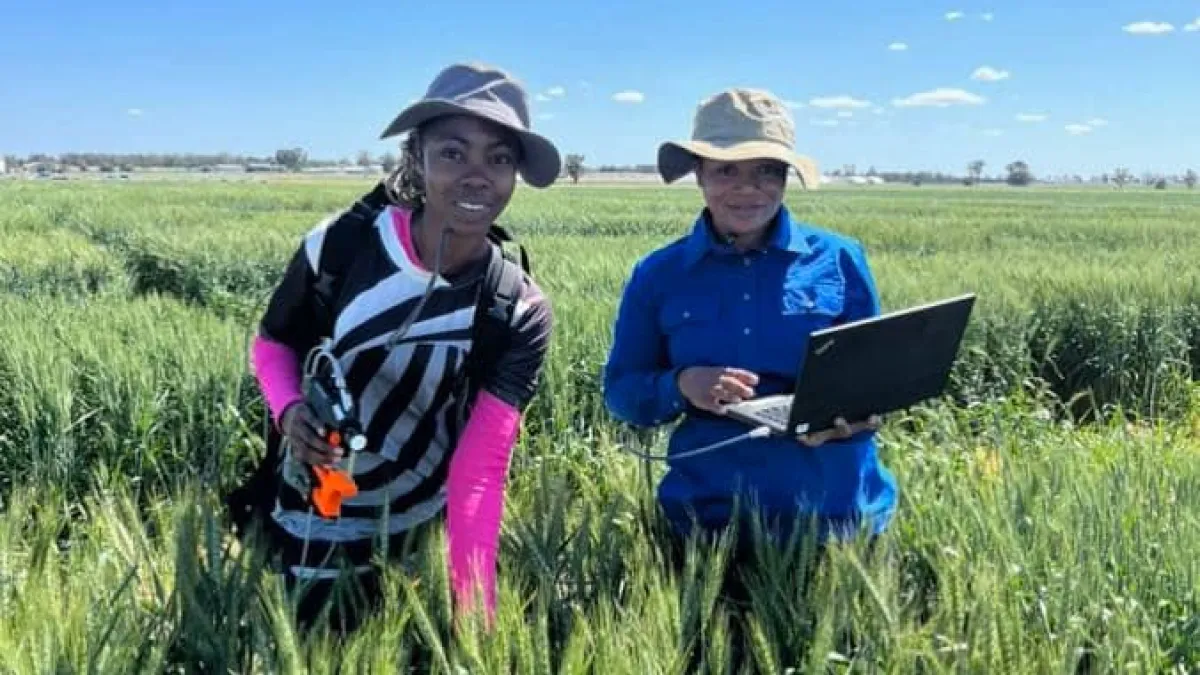
Alongside these measurements, the team collected high-resolution reflectance data from wheat leaves using advanced optical sensors enabling rapid, non-invasive characterization of leaf properties. On their own, these spectral readings are useful but limited. Paired with physiology data, such as how a plant captures energy though photosynthesis and loses energy through respiration, and responds to heat, they become powerful training material for machine learning models.
The project is working with machine learning specialists from the Australian Institute of Machine Learning to build models that predict photosynthesis and respiration traits from spectral reflectance data. Early results are promising, particularly for respiration, where initial models are performing well, though challenges remain in ensuring generalisability across diverse conditions. The aim is to make heat tolerance related traits faster and cheaper to assess at scale, reducing reliance on slow, specialised equipment and allowing breeding programs to screen more varieties, more often.
This outcomes of this project will feed directly into a web portal called “Wheat Physiology Predictor” that allows researchers to upload spectral data and receive predicted trait values. By expanding and refining the models, the GRDC project is building a practical tool that can support breeding and selection in real time.
This project is a great example of translating complex physiology into usable decision support for the agricultural industry. It is a critical step toward identifying wheat varieties that can continue to produce in the Australian climate.
Related article: Delivering national field research at scale