
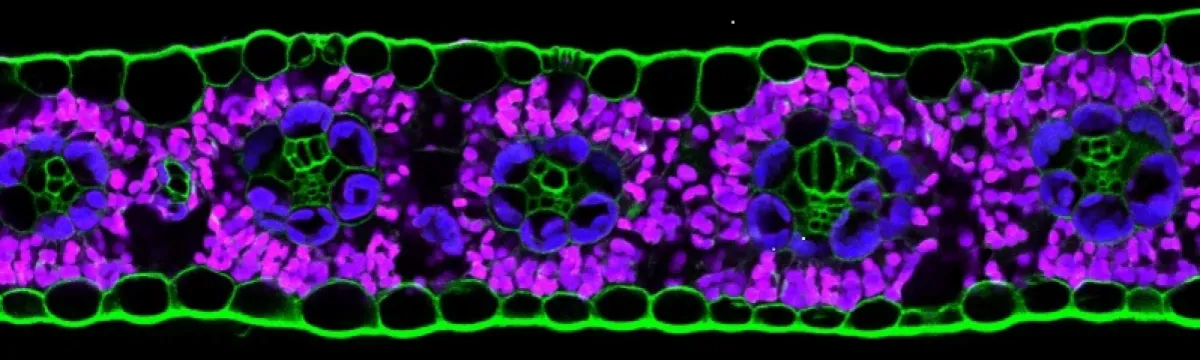
C4 Rice: advancing food security through a scientific moonshot
For more than 17 years, Professor Bob Furbank and his team at ANU have been part of a global consortium of leading researchers working to reimagine how one of the world’s most important staple crops can meet future food demand. The C4 Rice project is a mission-driven, multidisciplinary initiative aimed at improving rice productivity and resilience by redesigning photosynthesis itself.
At its core is a simple yet powerful idea. Most rice uses “C3” photosynthesis, which is less efficient under heat and water stress. By introducing elements of “C4” photosynthesis, a system found in crops such as maize, researchers aim to significantly boost productivity. Evidence from several independent field trials suggests this approach could increase yields by around 30 per cent while also improving water-use efficiency, a critical advantage in regions facing water scarcity.
The global significance is clear. Feeding a growing population is one of agriculture’s greatest challenges, with demand projected to outstrip current production capacity by 2050. As highlighted in the project, the next 50 years will require more food production than in all of human history. For regions where rice is a dietary staple, even modest improvements in yield and resilience could have transformative impacts on food security, nutrition and economic stability.
This is why the project has attracted long-term support from the Gates Foundation, which has prioritised food security in low-income countries. C4 Rice is not just a scientific challenge but a development solution, targeting improved productivity in environments where farmers face constraints in water, inputs and infrastructure.
The project reflects the full breadth of ANU capability. It has combined plant biology, synthetic biology, agronomy and systems science, alongside policy, regulatory and industry engagement. The project has also delivered unexpected breakthroughs, including new ways to increase yield through smaller, targeted genetic changes that enhance photosynthetic capacity.
Despite promising results, the pathway to impact is complex. Funding from the Gates Foundation is coming to an end, and adoption challenges remain. In Australia, the rice industry is small, capital-constrained and sensitive to water availability, making local investment in new technologies difficult.
The next phase will focus on testing new gene combinations in modern rice varieties and building industry partnerships. With infrastructure and expertise already in place, there is a clear opportunity to translate this research into practice.
C4 Rice exemplifies how long-term, high-risk research can address global food security challenges. It is a reminder that meaningful innovation requires persistence, collaboration and the ability to connect scientific discovery with real-world need.
Read more about the project and its research papers at c4rice.com