From the Director: July 2026
By Professor Owen Atkin, Director, ANU Agrifood Innovation Institute
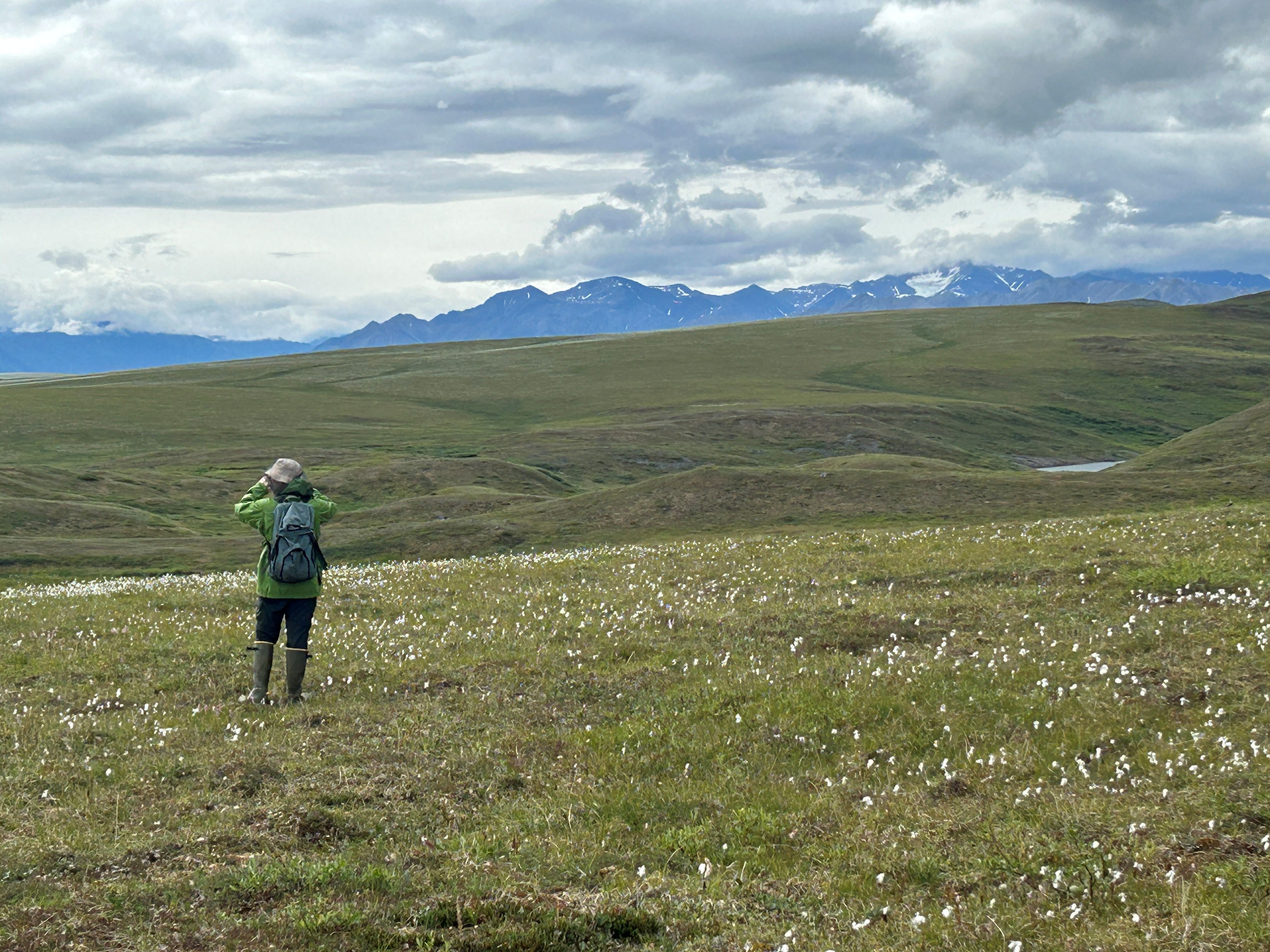
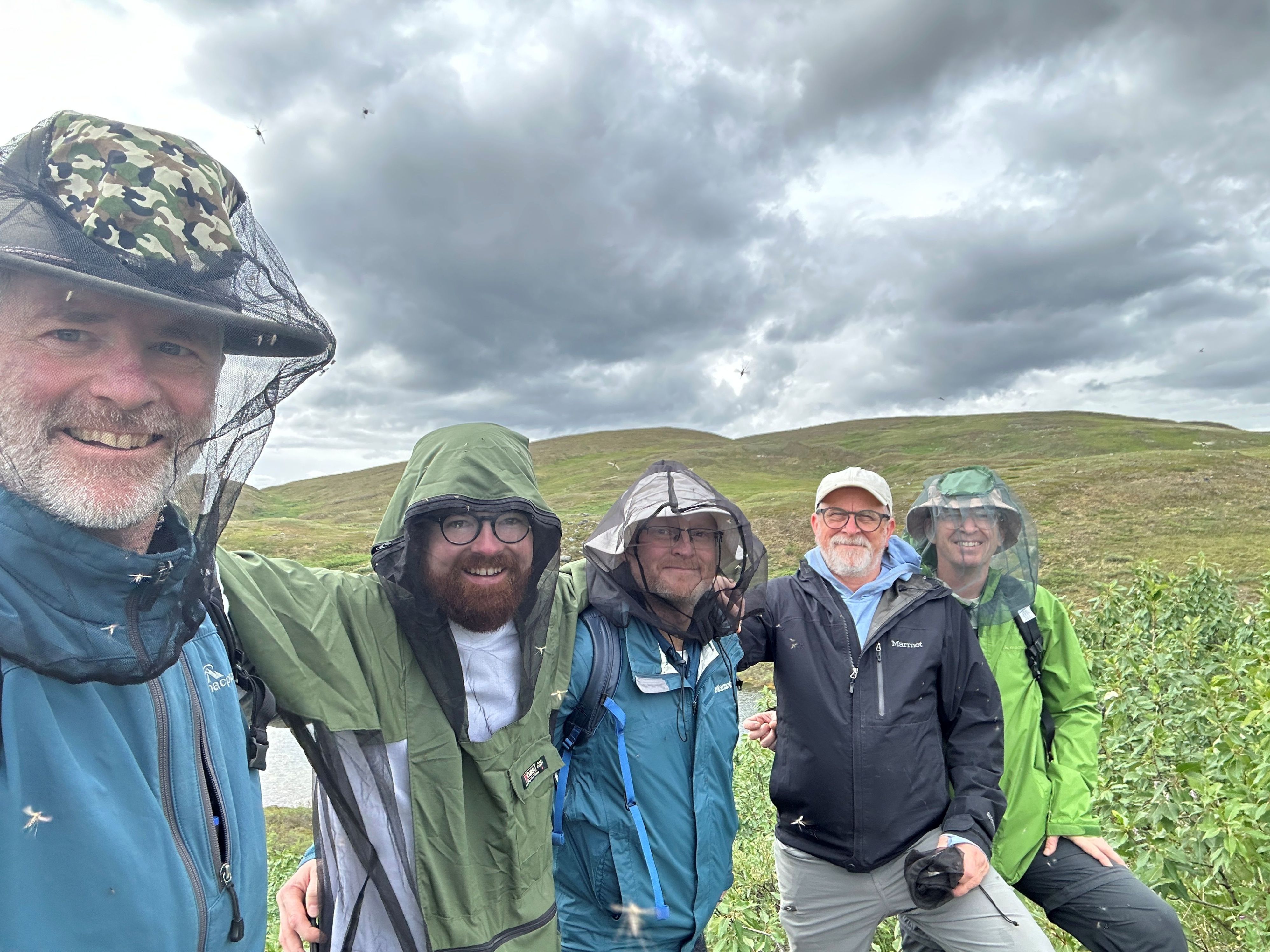
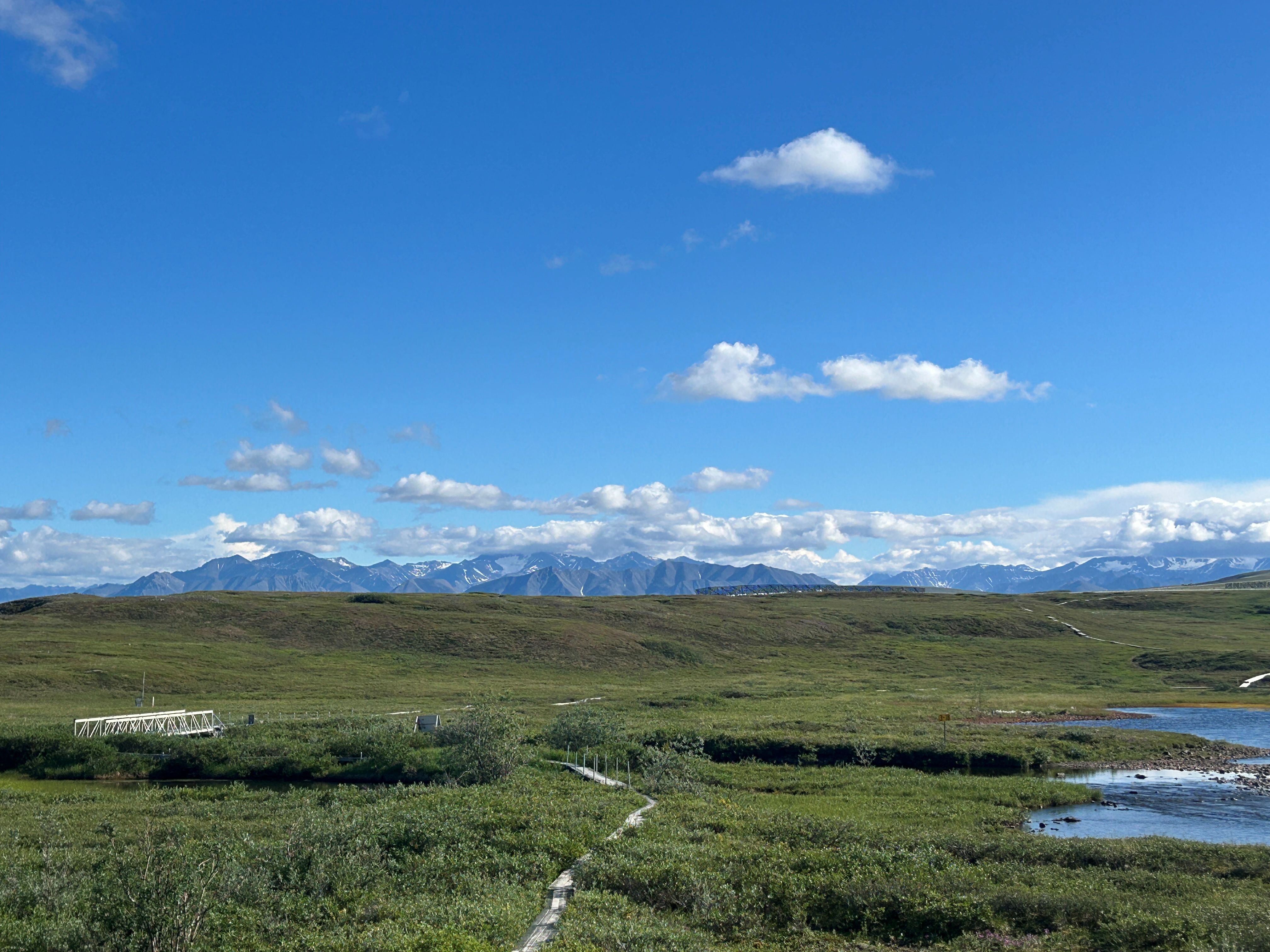
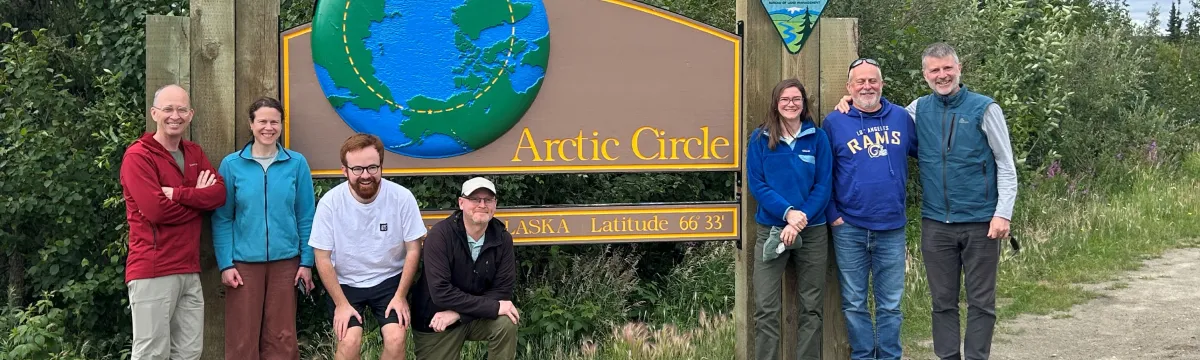
In July, I spent two weeks at Toolik Field Station on Alaska's North Slope, a premier Arctic research facility funded by the US National Science Foundation and operated by the University of Alaska Fairbanks. This was my third visit to Toolik, having first worked there in 2009. Located in the foothills of the Brooks Range, the station supports long-term studies examining the impacts of climate change on Arctic ecosystems, including warming and nutrient-manipulation experiments that have been operating for more than three decades.
In collaboration with Professor Kevin Griffin from Columbia University, my research group has used Toolik as part of a global network of sites spanning Arctic, boreal, temperate, tropical and desert ecosystems, helping place observations from the rapidly warming Arctic in a broader global context.
Readers of my June Director's message may recall my reflections on the 47th New Phytologist Symposium on Extreme Heat, held in Córdoba, Spain. While much of that discussion centred on the impacts of extreme heat in temperate and tropical environments, some of the most rapid climate warming is occurring in the Arctic. Our work at Toolik this year focused on understanding how Arctic vegetation responds to rising temperatures and increasing nutrient availability. The results will help us understand how warming will influence global carbon cycling between land surfaces and the atmosphere.
One unexpected highlight of the visit was attending a seminar by science teachers from Riverdale Country School in New York who were conducting field research at Toolik in collaboration with Kevin Griffin. Their project uses non-invasive methods to quantify functional traits of tundra plants, including the open-source Leaf Analyzer software developed by Dr Tao Hu and colleagues at the ANU node of the Australian Plant Phenomics Network. Seeing an ANU-developed tool used by researchers and educators in the Arctic was a reminder that the impact of research infrastructure and capability often extends well beyond the projects and places where it was first developed. The paper describing the software was published earlier this year.
What continues to impress me about Toolik is its commitment to long-term research. The station provides outstanding logistical support, maintains decades-old field experiments, and enables researchers to focus on science by providing infrastructure and logistics that individual projects could not sustain. More than 40 years of sustained investment have created a platform that continues to generate new discoveries and insights into one of the world's most rapidly changing environments.
Experiences such as Toolik reinforce the need for long-term, coordinated approaches to research and innovation when addressing the complex challenges created by global climate change – challenges felt not only in natural ecosystems but also in agrifood systems. As regular readers of my monthly message will know, I have previously advocated mission-oriented approaches to research investment. In 2020, together with colleagues from the University of Western Australia, Adelaide University and the University of Queensland, we developed a proposal for a 10-year, $500 million National Mission for Future Crop and Community Resilience. Although that proposal did not proceed, there are encouraging signs that mission-scale investments are becoming an increasingly important part of Australia's research and innovation landscape.
One example is the recent announcement of Grain Research Development Corporation's Nitrogen Mission, a 10-year research initiative designed to deliver transformational outcomes for grain growers by lowering nitrogen costs, improving productivity and reducing environmental impacts. The Mission focuses on reducing the cost and environmental impact of nitrogen while strengthening Australia's long-term research capability in this area. Given the importance of nitrogen to productivity and profitability, the scale and complexity of the challenge are well suited to a mission-based approach.
During July, researchers from across ANU have been collaborating with partners across Australia to develop proposals for the Mission. The work brings together expertise in molecular biology, plant physiology, remote sensing of crop phenotypes, sustainable farming systems, emissions accounting and agricultural economics. Collectively, these teams are developing new approaches to improve nitrogen uptake, transport, allocation and use in cereal crops, accelerate the identification of nitrogen-efficient germplasm, monitor emissions, assess the economic drivers of adoption, and explore longer-term opportunities to reduce dependence on synthetic nitrogen fertilisers.
The Agrifood Innovation Institute has been helping to bring together research teams from across ANU and to support the development of several of these proposals. One of AFII's strengths is its ability to connect expertise across disciplines, and the Nitrogen Mission provides an excellent example of the value of this approach.
July also saw the release of the final report from the Australian Research Council’s National Competitive Grants Program Policy Review. While the details will take time to work through, I was pleased to see a continued emphasis on supporting high-quality discovery research, strengthening research careers and improving links between research and end-users. As with the examples above, the review highlights the importance of sustained investment in research capability as a foundation for future innovation and productivity.
Together, Toolik, the GRDC Nitrogen Mission and the ARC review highlight the value of long-term investment in research capability. Whether through long-running research platforms, mission-oriented programs or competitive research funding, major advances depend on sustained commitment, collaboration and the infrastructure required to tackle complex challenges. Supporting researchers in engaging with these opportunities will remain an important part of AFII's role.
Another critical role AFII plays is bringing people together to drive innovation by having the conversations needed to build momentum. We finished the month by convening a soil carbon roundtable with Impact Agriculture, bringing together leaders from science, agriculture, finance, industry and government to address the gap between interest in soil carbon and the adoption of soil-improving practices at scale. Discussion centred on three themes: unlocking farmer adoption, building commercial pathways for soil-improving practices, and mainstreaming on-farm practice change through policy and delivery reform. It's in conversations like these that we start to see the barriers and knowledge gaps holding the industry back from capitalising on these opportunities to reduce emissions and improve practices.